Your Local Equipment Rental Experts


When it comes to construction, landscaping, and excavation work, few machines offer the versatility, efficiency, and compact power of a mini excavator (sometimes called a compact excavator or mini digger). Designed to handle everything from trenching and digging to demolition and material handling, mini excavators have become an essential piece of compact equipment for contractors, property owners, and project managers alike.
Unlike larger excavation machinery, mini excavators are engineered to deliver impressive digging force and precision while operating in tight or confined spaces. Their compact footprint allows operators to work efficiently around buildings, fences, utilities, and existing structures—areas where traditional construction equipment simply can’t maneuver. This unique balance of size and power makes mini excavators a go-to solution for both residential and commercial projects.
Mini excavators are also highly adaptable. With the ability to pair with a wide range of attachments—such as buckets, augers, breakers, and trenchers—one machine can support multiple phases of a job. This flexibility not only improves productivity but also reduces the need for additional specialized equipment on site.
As part of the broader category of excavation machinery, mini excavators play a critical role in modern construction and landscaping. From planting trees, small-scale grading and utility work to more demanding tasks, they help crews complete construction projects with greater accuracy, efficiency, and control. Understanding how mini excavators work, what they’re best used for, and when to rent versus other equipment options can significantly impact the success of a project.
Contractors and landowners alike rent mini excavators for a wide variety of projects, ensuring the work is complete in an efficient and timely manner.
In this guide, we’ll break down what mini excavators are, what they’re capable of, and how they’re commonly used—so you can determine whether a mini excavator is the right solution for your next job.
Mini excavators are designed to be compact, powerful, and highly adaptable. While small, their load capacity ensures reliable performance with various types of operating weight. Understanding the core components and available attachments helps you choose the perfect tool for your project.
Hydraulic systems in mini excavators have high capacity and load-sensing capabilities to provide power for attachments. A hydraulic quick coupler allows for fast, safe, and easy changing of attachments without leaving the cab.
The combination of compact design and interchangeable attachments is what makes mini excavators so effective in tight spaces while still delivering the lifting and digging power required for demanding jobs.
One of the biggest advantages of a mini excavator is its versatility. These compact machines are capable of handling an impressive range of tasks—making them just as effective for residential and landscaping projects as they are for commercial construction, utility work, and light demolition.
Thanks to their compact size, precise controls, and powerful digging capabilities, mini excavators can take on jobs that would be inefficient, unsafe, or physically demanding to complete by hand. Mini excavators can help you avoid common excavation hazards and ensure the work is completed without injury or loss.

Mini excavators are widely used in landscaping due to their ability to move earth efficiently without damaging surrounding areas. Common landscaping and property improvement tasks include:
Whether preparing a residential yard or clearing acreage, mini excavators allow operators to complete demanding landscape work with greater speed and precision.

Mini excavators play a critical role in utility and infrastructure projects, especially where space is limited. Their ability to dig clean, consistent trenches makes them ideal for:
Utility contractors frequently rely on mini excavators because they can work close to existing structures while maintaining control and accuracy.
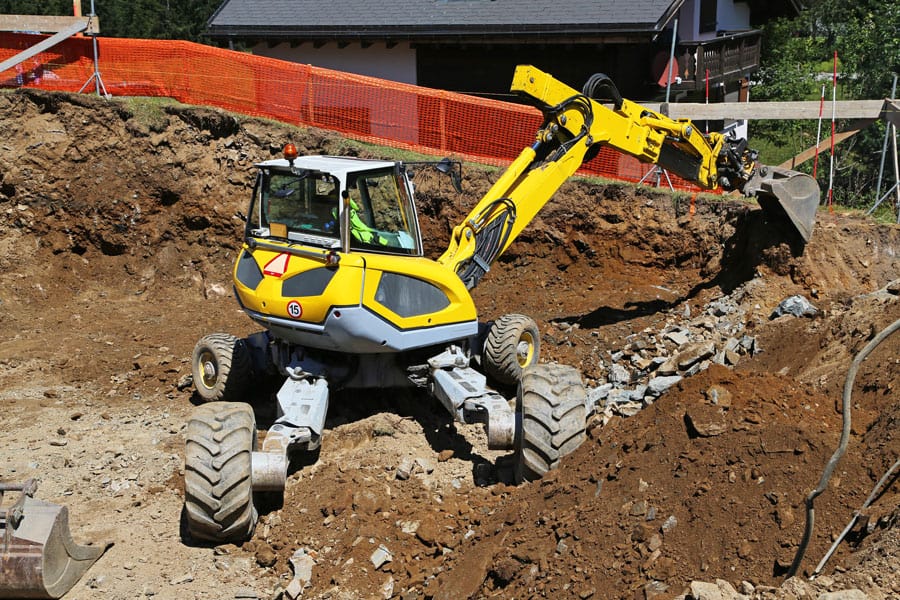
On construction sites, mini excavators are often used during the early phases of a project to prepare land and establish foundations. Typical construction-related uses include:
Their ability to navigate tight access points makes mini excavators especially valuable on residential lots and infill projects.
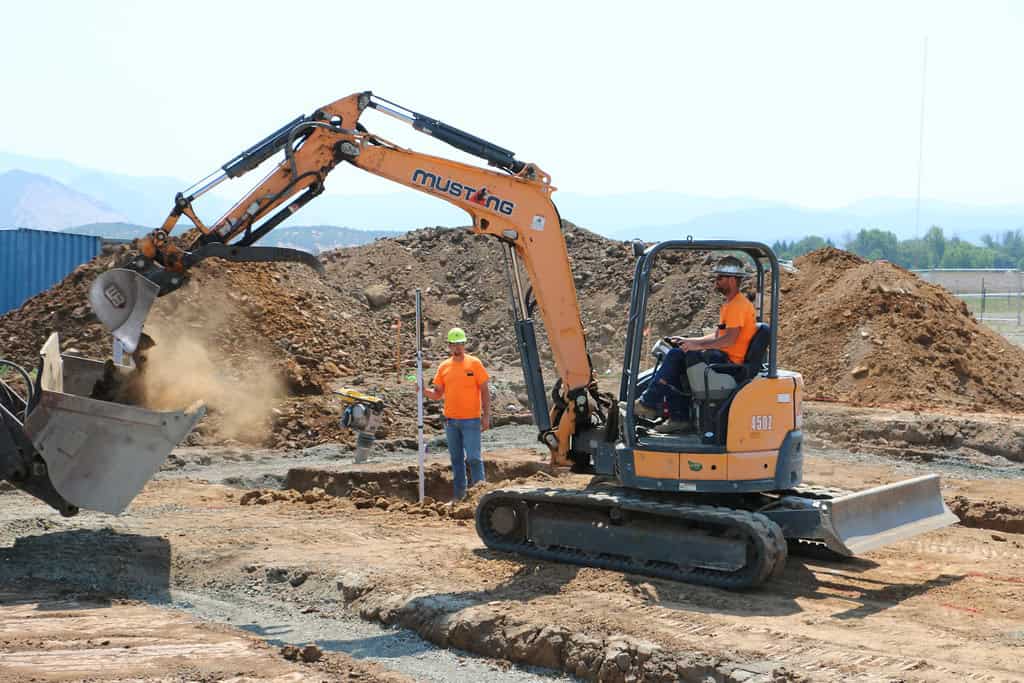
Mini excavators are also well suited for light demolition tasks where precision and safety are essential. With the right attachments, they can be used for:
Compared to manual labour, mini excavators improve safety while dramatically reducing labor time.
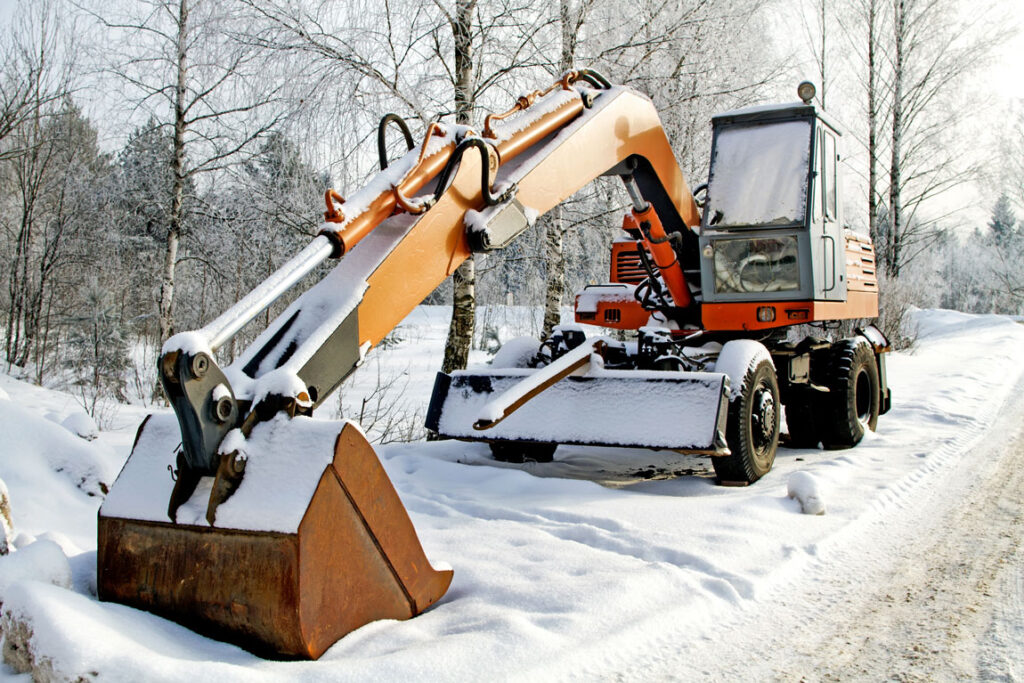
In colder climates, mini excavators are increasingly used for snow management. They are particularly effective for:
With specialized attachments, mini excavators offer a more efficient alternative to traditional snow removal methods, especially when large accumulations need to be relocated rather than pushed aside.
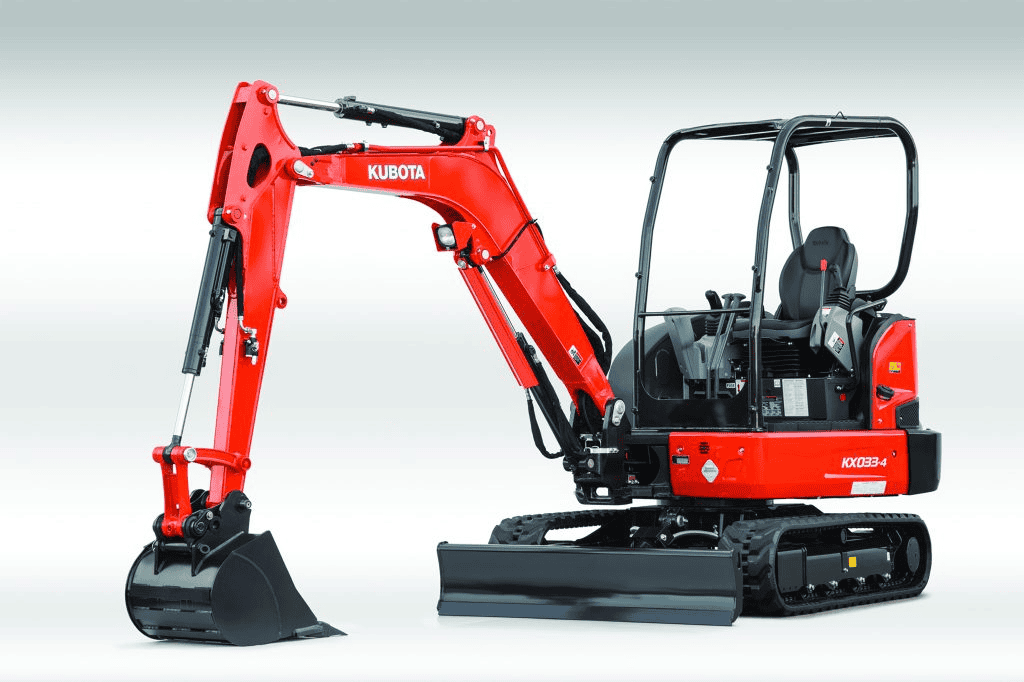
From lawn and garden projects to utility trenching, demolition, and road preparation, mini excavators are designed to handle an extraordinary variety of tasks. Their combination of compact size, hydraulic power, and attachment compatibility makes them one of the most adaptable pieces of excavation equipment available.
Understanding the full range of projects a mini excavator can handle is key to choosing the right machine—and ensuring your project is completed efficiently and safely.
Choosing between a mini excavator and a full-size excavator depends on your project scope, job site conditions, and space requirements. Both machines are designed for excavation work, but they excel in very different environments.
Mini excavators are smaller, lighter, and easier to maneuver. Their compact size makes them ideal for residential properties requiring more precise digging, confined workspaces, and active job sites where minimizing ground disturbance is important. Because they leave fewer track marks and are easier to transport between locations, mini excavators are commonly used for landscaping, utility trenching, small foundations, and light demolition.
Full-size excavators, on the other hand, are built for power and scale. These machines are better suited for large commercial projects, deep excavation, heavy lifting, and major earthmoving. While they offer greater reach and digging force, they also require more space to operate and typically involve higher transportation and operating costs.
Both a mini and standard sized excavator can be equipped with a variety of attachments to expand their capabilities. The key difference is scale—mini excavators handle smaller, less intensive jobs with precision and efficiency, while full-size excavators are designed for demanding, high-volume workloads.
For projects with more delicate surfaces where access, surface protection, and flexibility matter most, a mini excavator is often the smarter choice. For larger jobs requiring maximum power, a full-size excavator may be the better fit. Both are mighty tools in their own right.

There are many benefits of renting construction equipment. Not every project justifies the cost of equipment ownership. Renting a mini excavator gives you access to professional-grade machinery without the long-term financial commitment.
For contractors who only need a mini excavator occasionally, renting is far more cost-effective than ownership. For homeowners and property managers, it’s the easiest way to complete a one-time project with professional results—without the hassle of long-term ownership. For these reasons, renting is often the better choice in the long run.

Mini excavators are powerful pieces of heavy equipment, and responsible rental companies take safety seriously. While these machines are designed to be efficient and operator-friendly, they still require proper training and experience to operate safely. Safety certifications like Roll-Over Protective Structure (ROPS) and Falling Object Protective Structure (FOPS) are essential.
Renters must be able to demonstrate the ability to safely operate the equipment. A valid driver’s license is required, and in some cases a commercial driver’s license (CDL) may be necessary depending on transport method and local regulations. Experience with similar machinery—such as forklifts, skid steers, or loaders—is strongly recommended.
Mountain West Rentals and Sales prioritizes safety and prefers to rent to individuals with the proper training and mechanical aptitude to operate mini excavators responsibly.
Renting a mini excavator is straightforward when you know what to expect:
If you’re unsure which mini excavator or attachment is best for your project, our experienced team is always available to help you make the right choice and ensure a smooth, safe rental experience from start to finish.
We proudly serve communities across eastern Idaho, including:
Mountain West Rentals & Sales is your go to choice, a trusted source for mini excavator rentals in eastern Idaho, providing contractors, landowners and homeowners alike with reliable equipment and knowledgeable local support. We proudly carry Kubota mini excavators, known industry-wide for durability, performance, and ease of operation.
Every machine in our fleet is professionally maintained, inspected, and job-ready, so you can focus on getting the work done without worrying about downtime. Our experienced team helps you choose the right mini excavator and attachments based on your project scope, site conditions, and timeline.