

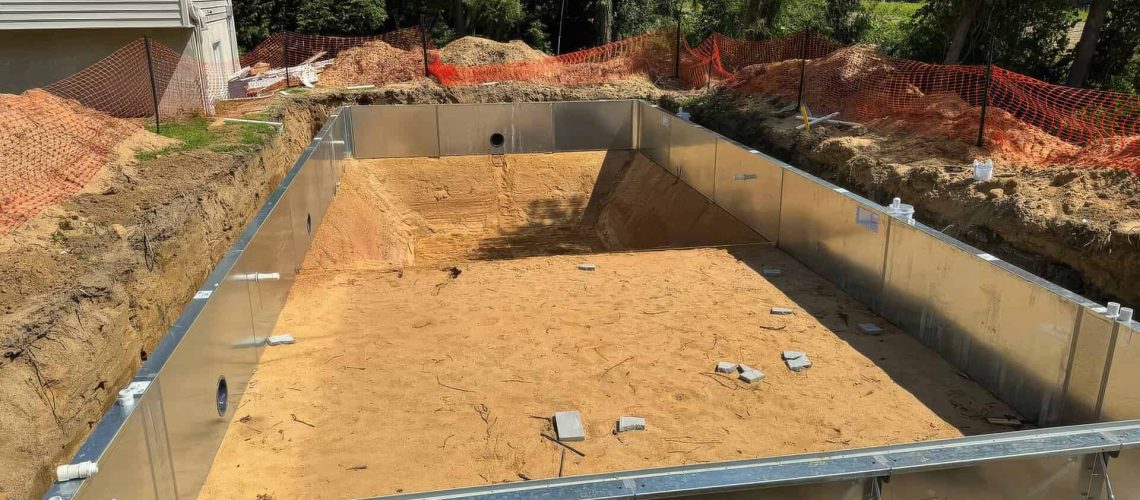
Every successful construction project and building project starts way before you pour the first bit of concrete or frame the first wall. It’s all about getting the site ready. And that’s where proper site preparation for building construction comes in. It’s the real foundation for a safe, stable, and efficient building process. Whether you’re building a house, a commercial place of work, or even a barn out in the countryside, thorough site prep prevents delays, drainage problems, foundation issues, and safety headaches down the road.
Every step of the site preparation process counts. From surveying the land to compacting the soil, each bit plays a critical role in getting the site ready for construction. Having the right gear makes it all a whole lot easier, which is why a lot of contractors and property owners choose to rent equipment instead of buying it all new just to use it once throughout site preparation.
Why the Site Prep Process is Absolutely Vital
Effective site preparation refers to the process of evaluating and clearing a property so it can safely support a brand new structure. Every project is going to be different, but the goal is always the same: create a stable site that meets engineering needs and all local regulations.
Proper site prep helps in a big way:
- Keeps everyone on site safe
- Prevents drainage and erosion problems
- Reduces the risk of future foundation settlement
- Helps keep construction on schedule
- Makes sure you’re complying with local regulations
- Protects nearby utilities and infrastructure
Skip any important construction site preparation steps and you’ll likely end up with expensive repairs and delays later on.
Checking Out the Site – Surveying and Mapping

The first thing you need to do in site prep is figure out what you’re working with. Surveying and mapping help identify property lines, elevations, slopes, drainage patterns, easements, and existing site conditions.
Survey data helps project managers work out how much grading or excavation will be needed, and flags up any potential problems before work even starts. Mapping also lets project teams plan site access points, building placement, utility connections, and drainage systems.
Getting a good survey done right at the start reduces surprises and ensures that all future work gets done right.
Checking the Local Rules – Zoning and Permitting
Before you can even start messing around with the land, you need to check the local regulations and get all the necessary permits.
Local rules may dictate:
- How high your building can be
- What drainage requirements are
- Environmental protections
- Utility installation standards
- Road requirements
Getting this sorted early on helps avoid project delays and makes sure you’re complying with local rules all the way through construction.
Finding the Utilities
Locating underground utilities is one of the most important safety steps in site prep. You need to know where water lines, sewer lines, electrical service, gas lines, communication cables, and irrigation systems are before you start digging.
Access and Location
In addition to finding the utilities, contractors need to set up safe access routes for equipment, material deliveries, and construction crews.
Getting access roads and staging areas sorted early on helps improve efficiency and reduces the risk of damage to the surrounding property.
Essential Gear
Some of the most common gear used during access prep includes:
These machines help create temporary roads, staging areas, and work zones with minimal disruption to the rest of the property until the real construction begins.
Clearing the Site – Demolition and Clearing

Before you can start building, you’ll need to remove any obstacles on the site. This might include trees, brush, stumps, rocks, old fencing, concrete slabs, or outdated existing structures.
Site clearing creates a safe working environment and lets contractors get access to the areas where excavation and grading will occur. Removing unwanted materials also helps ensure that organic matter doesn’t cause problems with future foundations or underground infrastructure.
Gear for the Job
Mountain West Rentals has got the gear you need to simplify land clearing and demolition projects.
Some popular choices include:
These machines can help with digging, debris removal, material handling, and site cleanup.
Erosion and Water Control

Water management is a priority before any major excavation begins. Rainfall and runoff can cause erosion issues that damage work areas, increase project costs, and delay construction schedules.
Effective erosion and water control measures help direct water away from the construction site while protecting the surrounding property and natural resources.
Some common solutions include:
- Drainage swales
- Temporary ditches
- Retention areas
- Culverts
- Sediment barriers
Planning for water movement early on helps keep the site stable throughout the construction process.
Essential Gear
Some of the most useful gear for erosion control projects includes:
These machines can help shape drainage channels, install water management features, and move materials around where needed.
Excavation and Grading
Once the site has been cleared and utilities identified, excavation and grading can begin.
Excavation may include:
- Foundation preparation
- Basement excavation
- Utility trenching
- Drainage system installation
- Footing construction
Grading is next up after excavation and making sure the site has the right elevations and slopes to get water to drain properly and keep things stable.
If grading is done right, you won’t have water standing around, and you’ll end up with a nice level building pad that can actually hold up the structure.
Machines We Recommend
Some of the most commonly rented machines for digging and grading are:
These machines make a big difference in being able to move dirt without a huge mess and finally get the site looking just right.
Getting The Timing Right
The last and most important step of getting the site ready for a new build is soil compaction for a solid foundation. Even if the grading looks perfect, if the ground below it isn’t solid it can still come crashing down – that’s why soil testing and soil compaction is so important.
Compaction just means squishing down the dirt to get it as dense as possible. This makes it a whole lot better at supporting heavy buildings, roads, sidewalks and all the rest. And if you don’t do it right then over time the ground will just keep on shifting and settling – not what you want.
Also, the soil type must be compacted for proper drainage, so you don’t end up with flooding.
Some compaction is done over multiple stages, depending on how the ground is behaving and what you need to get a stable foundation.
Mountain West Rentals has soil compaction equipment for your specifications. The right machine for the right job makes a world of difference in getting your building site ready for foundation work and seeing you through to the end.
Do It Right With Mountain West Rentals

When you’re getting new construction projects going, equipment is one thing that can make all the difference between getting it done right and struggling along for months. From clearing trees and getting the drainage sorted to digging and grading and then getting the ground compacted solid, having the right machines for a properly prepared site is vital.
Mountain West Rentals has a huge selection of equipment for rent that can get you through every phase of a thorough site preparation – and that’s exactly where we can help most. Whether you’re building a new house, a commercial building, a farm or anything else, our team can help you pick out the right machines to get the job done – efficiently and on time.