


A soil compactor is a type of heavy equipment used to compress soil, dirt and other materials to create a denser, more stable surface. Soil compaction is an important part of many construction and site preparation projects because loose soil can shift, settle or become unstable over time.
So, what is a soil compactor? In simple terms, it’s a machine designed to remove air pockets from soil and increase its density by applying weight, pressure and vibration.
How Does a Soil Compactor Work?
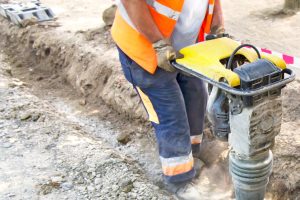
Soil compactors use a combination of weight, pressure and vibration to compress loose material.
As the machine travels over the surface, its drum or compaction mechanism applies force to the soil underneath it. Vibratory models also produce rapid vibrations that help particles settle closer together.
The goal is to create a dense, stable surface that can support the weight of structures, vehicles, pavement and other materials.
The number of passes required depends on factors such as the type of soil, moisture content, depth of the material and the compaction equipment being used.
What Is a Soil Compactor Used For?
Soil compactors are primarily used during construction and site preparation. They can be used to compact soil before additional materials or structures are placed on top of it.
Common applications include:
- Preparing building sites
- Compacting soil for foundations
- Preparing roads and parking lots
- Compacting backfill
- Preparing areas for concrete
- Compacting gravel
- Landscaping and grading projects
- Road construction and repair
- Preparing surfaces for paving
Proper compaction helps create a stronger and more stable base for the next stage of a project.
Why Is Soil Compaction Important?
Loose soil contains spaces between individual soil particles. If those particles aren’t properly compacted, the soil can settle after construction is complete.
That can lead to problems such as:
- Uneven surfaces
- Cracks in pavement or concrete
- Foundation settlement
- Potholes
- Drainage problems
- Structural instability
Compacting the soil reduces these empty spaces and increases the density of the material. This gives the finished surface a more stable foundation.
Types of Soil Compactors
There are several types of equipment used for soil compaction. The right machine depends on the material being compacted and the size and conditions of the jobsite.
Vibratory Soil Compactors
Vibratory compactors use vibration along with the machine’s weight to compress soil. They’re commonly used on larger construction and earthwork projects where substantial areas need to be compacted efficiently.
The vibration helps soil particles settle together, making these machines particularly effective for many types of granular materials.
Smooth-Drum Compactors
Smooth-drum compactors have a smooth cylindrical drum and are commonly used for compacting granular materials and preparing relatively smooth surfaces.
These smooth drum vibratory rollers are often used during road construction, site preparation and other projects where large areas need to be compacted.
Padfoot Compactors
Padfoot, or sheepsfoot, compactors have a drum covered with protruding feet. These projections help penetrate and knead when compacting cohesive soils such as clay.
They’re often used when working with materials that don’t respond as effectively to a smooth drum.
What Types of Soil Can Be Compacted?
Different soils respond differently to deep compaction.
Granular soils, such as sand and gravel, generally compact well through vibration. Vibratory equipment can help rearrange the particles into a denser configuration.
Cohesive soils, such as clay, often require a different approach. Equipment that applies a kneading action, such as a padfoot compactor, can be more effective.
Moisture is another important factor. Soil that’s too dry or too wet may not compact as effectively as soil with the appropriate moisture content.
Soil Compactor vs. Plate Compactor
Soil compactors and plate compactors perform the same basic function but are designed for different applications.
A soil compactor is generally a larger machine designed to efficiently compact substantial areas of soil on construction sites, road projects and other large jobs.
A plate compactor is much smaller and typically operated by walking behind the machine. It’s useful for smaller areas and confined spaces where a larger compactor can’t easily maneuver.
For a large construction site, a ride-on soil compactor may be the more efficient option. For a small trench, walkway or landscaping project, a plate compactor may be more practical.
How Do You Know When Soil Is Properly Compacted?
Simply running a compactor over the surface doesn’t necessarily mean the soil has reached the required density.
Professional construction projects may use density testing to determine whether the soil has reached the specified level of compaction. Project requirements, soil type and engineering specifications can determine the target density.
The appropriate number of passes also varies. Running the machine over the soil too few times may leave it inadequately compacted, while unnecessary passes can waste time and fuel.
When Should You Use a Soil Compactor?
A soil compactor is a good choice when you’re working with a relatively large area that needs to be compressed and stabilized before the next stage of construction.
They’re commonly used for:
- Foundations: Compacting soil before construction begins.
- Roads and driveways: Creating a stable base beneath pavement or aggregate.
- Parking lots: Compacting the soil and aggregate beneath the finished surface.
- Site preparation: Stabilizing areas before construction or landscaping.
- Backfilling: Compacting material placed around foundations, trenches and other excavations.
The right equipment depends on the type of soil, project size and required level of compaction.
Rent a Soil Compactor for Your Project
Proper soil compaction is an important step in creating a stable, long-lasting surface. Whether you’re preparing a construction site, building a road or driveway or compacting soil around an excavation, using the right equipment can help you get the job done efficiently.
If you need a soil compactor for an upcoming project, Mountain West Rentals can help you find the right equipment for your job. Consider the size of the area, type of soil and compaction requirements when selecting your equipment, and don’t hesitate to ask a rental professional if you’re unsure which machine is right for you.